

List Price vs. Market Value: A Real Estate Concept Most Buyers and Sellers Misunderstand
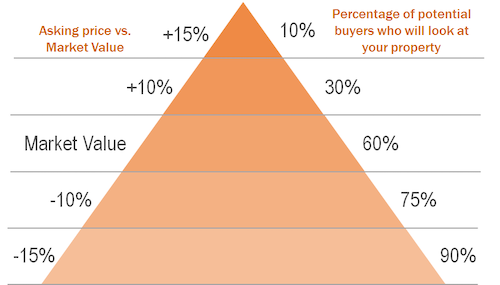
If you’ve spent any time browsing homes online or talking with friends about real estate, you’ve probably heard phrases like “That house sold over asking” or “They overpriced it.”
These comments usually come from a common misunderstanding: assuming the list price of a home is the same as its market value.
It isn’t.
Understanding the difference between list price and market value can help buyers avoid overreacting to headlines and help sellers make smarter pricing decisions from the start.
What Is a List Price?
The list price is the number a seller chooses to advertise their home at when it goes on the market.
It is:
-
A marketing strategy
-
Influenced by recent sales, competition, and timing
-
Designed to attract a specific pool of buyers
It is not a guarantee of what the home will sell for.
Sellers may price:
-
Slightly below expected value to attract more interest
-
Right at market value to signal fairness
-
Above market value to test demand (with mixed results)
What Is Market Value?
Market value is the price a home actually sells for when:
-
A willing buyer and seller agree
-
Both parties have reasonable knowledge of the market
-
The transaction is not under pressure or distress
In simple terms:
👉 Market value is proven only when a sale closes.
Until that happens, everything else is an estimate.
Why List Price and Market Value Often Don’t Match
Several real-world factors influence the final sale price:
1. Buyer Demand
When many buyers want the same type of home at the same time, competition can push prices above list price — even if the list price was reasonable.
2. Available Inventory
When buyers have fewer choices, they may pay more for the best option. When inventory is high, buyers can be more selective and price-sensitive.
3. Comparable Sales (“Comps”)
Recent sales of similar homes matter far more than asking prices. Buyers, appraisers, and lenders rely on closed sales, not listings.
4. Financing and Appraisals
Even if a buyer agrees to pay more, the home must still appraise at or near that value for most loans to move forward.
5. Timing and Market Conditions
Seasonality, interest rates, and broader economic confidence all influence what buyers are willing — and able — to pay.
What This Means for Buyers
If you’re buying a home:
-
Paying over list price does not automatically mean you overpaid
-
A competitively priced home may attract multiple offers quickly
-
Focusing only on list price can cause you to miss strong opportunities
A better question than “Is it over asking?” is:
“How does this price compare to recent sales of similar homes?”
What This Means for Sellers
If you’re selling a home:
-
Pricing is about positioning, not just maximizing the number
-
Overpricing often leads to fewer showings and longer time on market
-
Homes that sit too long may sell for less after reductions
Accurate pricing from the beginning often results in:
-
Stronger buyer interest
-
Better negotiating leverage
-
More predictable outcomes
Why This Concept Causes So Much Confusion
Most consumers see:
-
List prices online
-
Headlines about bidding wars
-
Anecdotes from friends or social media
What they don’t always see:
-
Appraisal data
-
Financing limits
-
Failed contracts
-
Price reductions that happen quietly
This partial view makes it easy to confuse asking prices with actual value.
The Bottom Line
List price is a marketing decision.
Market value is a result.
When buyers and sellers understand the difference, they’re better equipped to:
-
Set realistic expectations
-
Make confident decisions
-
Avoid unnecessary frustration during the process
Real estate becomes much less emotional — and much more predictable — when pricing is viewed through this lens.
Categories
Recent Posts






With experts throughout DFW and West Texas, we are hyper local, allowing us to walk alongside our clients at every stage of their journey. With innovative technology and unrivaled service, we ensure that your home is connected with buyers, locally and worldwide.